As it turns out, we live in the future, and it's possible* now, at great expense, to clone your pets. People on Reddit have debated the ethics, costs and even veracity of the whole process. The thought though really spent some time in my head.
My dog, Ivy, is a Carolina Dog of unknown pedigree. My wife and I adopted Ivy from Corpus Christi animal care services. We went to the pound exactly one time and were overwhelmed with the number of dogs who were obviously fantastic. Kennel after kennel was filled with an energetic young puppy barking at us, begging to give them something to do all day. We, however, were fixated on the one dog who didn't even come out to meet us. The kennels had two sections: an "indoor" area where the dogs could lie down and get out of the sun (and I think get some air conditioning), and another area where they could get some steps in as well as go to the bathroom and see the sky.
Ivy shared walls with two young pit bull mixes, both of which refused to shut up at the mere smell of a human along their alley. She didn't move when we first saw her. Ivy stared at us with perked ears and a curious fixation the other dogs didn't have at all. We were objects of research, not potential saviors. Ivy didn't move, she didn't bark, and she didn't even bother getting off her government-apportioned cot.
She had our attention as much as we had hers.
My wife and I both were impressed with such a demeanor and began to study the literature zip-tied to the kennel fencing. Ivy was a "shepherd mix" (which we later learned was wrong) who had been at the pound going on three months. Ivy was found with a "street sister," and that sister had been adopted several weeks prior.
We asked a member of the staff if we could meet Ivy, done through a little special fenced meeting area. This particular employee informed us that Ivy had at times had a little trouble with the other dogs but was very nice. Ivy was terrified of us. She stayed pressed against the fence, tail tucked, rigid as we approached. Not one bit of her demeanor told me that she was scared of us, but that she was scared of getting attached to us.
That was the moment I knew: this was our dog. I remember feeling overwhelmed with empathy for this creature, this dog who was obviously a victim of something. The pound employee was also telling us a little bit about Ivy's history while we were "meeting." It wasn't outright said, but Ivy had actually been adopted by a family who, unfathomably to my wife and I, returned her to the pound. Apparently, Ivy wasn't good with kids. Fine by us; we didn't have a kid at the time and didn't plan to for quite some time.
We spent months earning Ivy's trust and convincing her to eat food we gave her. For a while, the only thing she would eat was a particular flavor of wet dog food, and only if my wife was the one who put it in the bowl. Over time, she began to learn that I had no interest in hurting her and usually was the hookup for the good snacks.
It took six months before we could take Ivy on a walk and see her actually enjoy herself. The idea of a wagging tail was completely foreign to us until Ivy had full confidence that she was with her new people.
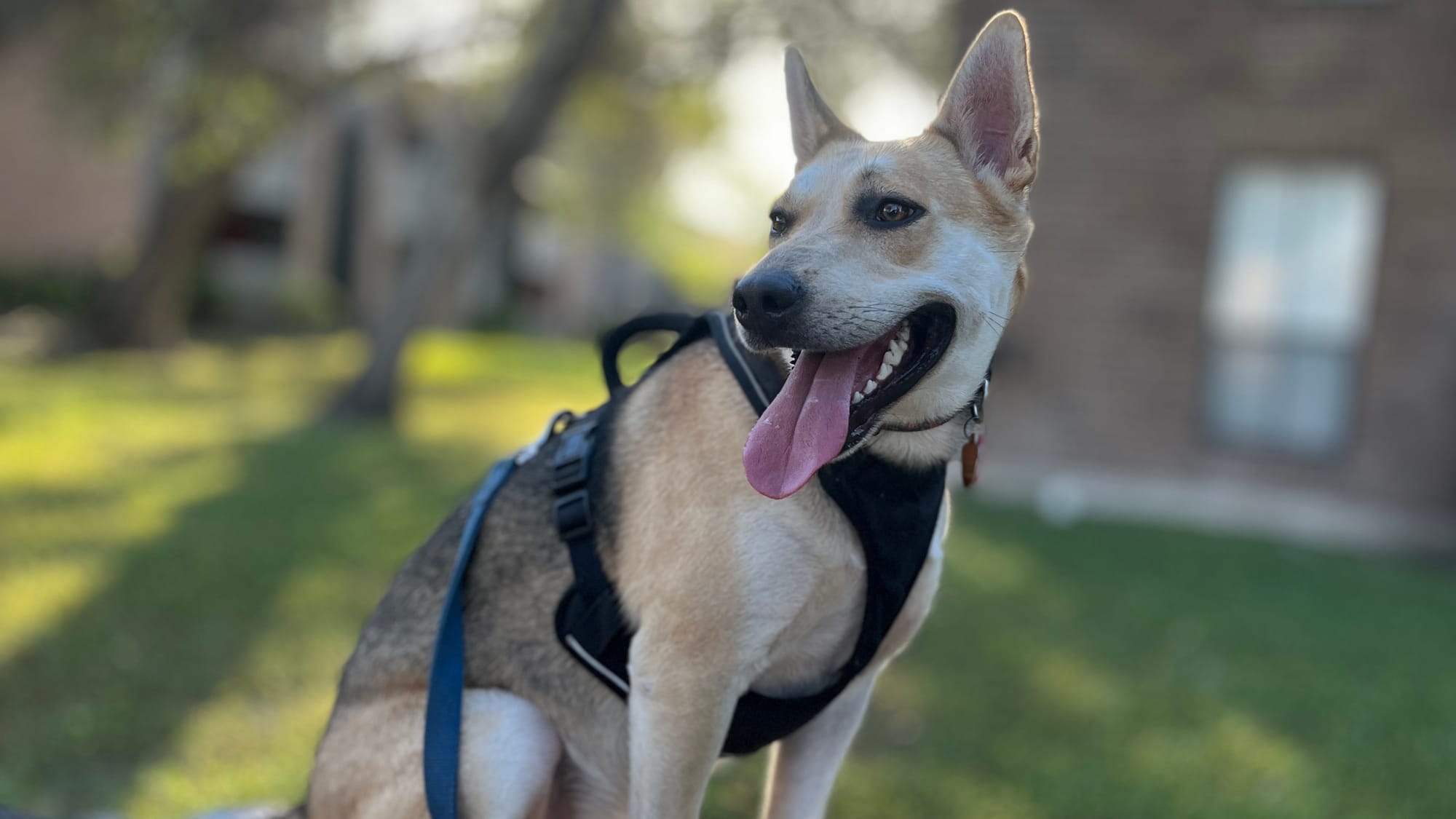
Now, a few years later, Ivy is a "normal" dog. She gets excited for walks, she plays with the baby, and she even does tricks and listens to commands. Months of investment by my wife and I taught Ivy that she was safe, loved, and wanted. We still run into challenges in certain situations: new people are not trusted until a few meetings have gone by, other dogs are to be feared unless we are nearby to break up any incidents, and public places are only safe with the leash attached.
We didn't make Ivy, Ivy. We allowed Ivy to show us her personality. We provided Ivy the safety and home necessary for her to calm down.
Ok back to the cloning thing.
People are apparently spending fantastic amounts of money to carbon-copy their pets, hoping to carry the exact same companion forward into the next decade. The thought of cloning our dog was something my wife and I discussed for approximately five seconds. It's not like we could afford it, but we realized that even if we could, that would be a completely different dog. Ivy is proof of the nature/nurture divide. We have discussed adopting a second dog many times, but we will never have another Ivy, another dog who is just as bonded to us as we are to them.
Ivy's clone would just show us the life Ivy could have had with the family who first had her. We think because of the time we adopted her and the time she was at the pound, plus our veterinarian's estimate of her age, that Ivy was a COVID puppy—adopted or bought to keep the kids happy when everyone was stuck inside, then discarded to the street when she became inconvenient. We've pieced together Ivy's history from how she behaves in certain situations. We think she doesn't like kids because kids abused her with her first family. We think she escaped out of desperation, not interest, due to the large, very permanent scar on her shoulder, seemingly from escaping in a big hurry.
A clone wouldn't be Ivy. It would just be a reminder of the unmarred life she was denied—a happy-go-lucky, saddle-patterned fur ball without the scars or the fear. To copy her genes would mean pretending that who she became had nothing to do with what she survived, or the patience it took to bring her home.
* While services exist claiming to offer full genetic duplicates, debate remains among skeptical pet owners and scientists over whether current commercial processes reliably deliver a true, viable carbon copy—or simply an expensive facsimile.